- Safe Responsible Movers: Ensuring a Smooth Transition
Moving to a new home can be an exciting yet daunting experience. One of the most crucial decisions you’ll make during this process is choosing the right moving company. Safe Responsible Movers stands out as a reliable option, prioritizing safety and accountability throughout the moving process. In this article, we will explore the key features that make Safe Responsible Movers an excellent choice for anyone planning a move.
When searching for a moving company, safety is often at the forefront of concerns. Safe Responsible Movers takes this seriously by implementing rigorous safety protocols. Their trained professionals are not only equipped to handle heavy lifting and transportation but also prioritize the security of your belongings. Each move begins with a thorough assessment of the items being moved, allowing the team to create a customized plan that ensures everything arrives at your new home without damage. This focus on safety is what sets Safe Responsible Movers apart in an industry where mishaps can occur.
Another aspect that makes Safe Responsible Movers a top choice is their commitment to responsible practices. This includes eco-friendly packing materials and efficient transportation methods designed to minimize carbon footprints. Their dedication to sustainability means that when you choose Safe Responsible Movers, you’re not just making a smart decision for your own move; you’re also making a positive impact on the environment. This responsible approach resonates with customers who want their move to reflect their values, making Safe Responsible Movers a preferred option for those conscious of their ecological footprint.
In addition to safety and responsibility, customer service is a pillar of Safe Responsible Movers’ philosophy. The company understands that moving can be stressful, and they strive to make the process as smooth as possible. From the initial consultation to the final delivery, the team is available to answer questions and provide updates. They take the time to listen to customer needs, ensuring that every aspect of the move is tailored to individual requirements. This level of personalized attention helps alleviate the anxiety that often accompanies relocation, allowing clients to focus on settling into their new space.
Transparent pricing is another feature that distinguishes Safe Responsible Movers from competitors. Moving costs can often be shrouded in ambiguity, leading to unexpected charges. However, Safe Responsible Movers provides clear and detailed estimates upfront, so customers know exactly what to expect. This commitment to transparency builds trust, as clients can plan their budgets without the fear of hidden fees. Understanding that moving expenses can add up, Safe Responsible Movers also offers a range of services that can accommodate various budgets, making their services accessible to a wide audience.
When it comes to the actual moving process, Safe Responsible Movers employs a systematic approach to ensure efficiency and effectiveness. Each move is executed by a team of experienced professionals who understand the best techniques for packing, loading, and unloading items. This expertise not only ensures the safety of your belongings but also helps streamline the process, reducing the time it takes to complete the move. Whether you are relocating across town or across the country, Safe Responsible Movers has the resources and skills to manage the logistics of your move seamlessly.
In conclusion, choosing the right moving company is crucial for a successful relocation. Safe Responsible Movers excels in providing a safe, responsible, and customer-centric experience. With their focus on safety protocols, commitment to eco-friendly practices, and transparent pricing, they make moving a less daunting task. Their emphasis on customer service further enhances the overall experience, allowing clients to feel supported throughout the process. For anyone planning a move, Safe Responsible Movers offers a comprehensive solution that prioritizes both the safety of belongings and the satisfaction of customers.
As you prepare for your upcoming move, consider the benefits of partnering with a company that values safety and responsibility as much as you do. Safe Responsible Movers not only provides the logistical support needed for a smooth transition but also reflects your commitment to responsible practices. With their experienced team at your side, you can look forward to a hassle-free moving experience. In a world where moving can often feel chaotic, choosing Safe Responsible Movers can provide the peace of mind you need to start your new chapter with confidence.
- SEO For Junk Removal
Junk removal is a highly competitive industry, and successful junk removal companies need to implement a robust SEO strategy to stand out in the search results. The right keywords will drive qualified leads and grow your business’s bottom line. But choosing the wrong keywords can have the opposite effect.
SEO for junk removal involves on-page optimizations, as well as off-page factors that help improve a website’s rankings over time. The more quality and relevant links to your domain, the higher your website will rank on SERPs (Search Engine Results Pages).
On-page SEO refers to individual web pages, such as service pages, location pages, and FAQ content that are optimized to target certain keywords. Thorough keyword research is a key element of any SEO campaign, and junk removal brands should focus on high-volume keywords with reasonable competition levels.
Off-page SEO refers to strategies that extend a junk removal brand’s reach beyond its website. This includes link building, social media promotion, guest posting, and leveraging influencer partnerships. These activities help build a strong backlink profile, which in turn helps boost junk removal websites’ rankings over time.
Google takes many different factors into account when determining where to rank junk removal websites. The quality of your content, the strength of your backlink profile, how user-friendly your website is, and much more are important considerations. However, no matter how many high-quality links you have, if your competitors have a better niche relevance and a more authoritative website, they will outrank you.
As the junk removal industry grows, it’s more important than ever for junk removers to optimize their online visibility. A comprehensive SEO strategy should encompass both on-page and off-page elements, including local SEO to connect with customers in specific service areas.
To optimize your junk removal website for search, begin with a technical audit. Ensure your site is mobile-friendly, and make sure all internal links point to the correct pages. Also, check your site’s metadata to ensure it is accurate and up-to-date.
Once your technical audit is complete, it’s time to start optimizing your content. Start with your service pages, which should include clear and concise descriptions of your services as well as contact information. Make sure to use targeted keywords in the title tags and meta description of your pages, and include them in natural context throughout your content.
Don’t forget to set up and verify your Google My Business page, which can boost local search rankings. Also, consider creating helpful blog content that addresses common questions and pain points associated with junk removal. Promote your blogs through email, social media, and link outreach campaigns to increase organic traffic.
Finally, don’t forget to monitor your SEO performance over time with tools like Google Search Console. These tools provide insight into the number of impressions your website pages receive, clicks, and average click-through rates. By tracking these metrics, you can identify pages that are performing well and those that need improvement. By taking action on low-performing pages, you can ensure your junk removal website continues to climb the ranks of search engines.
- What I Look for Before Setting a Dumpster on a Fort Lauderdale Job Site
I coordinate roll-off containers for renovation crews, roofing contractors, property managers, and homeowners working around Fort Lauderdale and nearby parts of Broward County. Most of my day is spent figuring out what size container fits the debris, where a truck can safely place it, and how long the customer actually needs it. Those details sound simple until a driveway is narrow, a renovation produces more material than expected, or a pickup truck cannot reach the container because another vehicle is blocking the approach. I have learned that a little planning before delivery prevents most of the frustrating problems people associate with dumpster rentals.
I Start With the Debris, Not the Dumpster Size
One of the first questions I ask is what is actually going into the container. A bathroom remodel produces a very different load from a garage cleanout, even if both customers think they need the same size dumpster. Tile, concrete, roofing material, drywall, old cabinets, furniture, and ordinary household clutter behave differently once they start stacking up. Weight adds up quickly.
I once worked with a homeowner who expected a small renovation to produce only a few bags of debris and some old cabinetry. Once the crew opened the walls, they found damaged drywall, old insulation, flooring material, and several pieces of built-in shelving that also had to come out. The original container filled much faster than anyone expected. That job reminded me why I ask about hidden demolition before recommending a size.
For straightforward cleanouts, I usually think in terms of how bulky the material is and how efficiently it can be loaded. A room full of broken-down boxes occupies much less space than the same room filled with mattresses, couches, and assembled furniture. Construction debris can pack tightly, but dense material can reach weight limits before the container looks full. A 20-yard box filled with heavy debris is a very different load from a 20-yard box holding household junk.
Placement Can Decide Whether the Rental Goes Smoothly
Fort Lauderdale properties can give drivers some interesting placement challenges. I regularly think about parked vehicles, low tree branches, gates, overhead wires, tight driveways, and the space a roll-off truck needs to approach and leave. The container itself may fit in a spot that the delivery truck cannot realistically reach. I would rather change the placement plan before delivery than have a driver arrive with nowhere safe to set the box.
For customers comparing local options, I sometimes point them toward a roll-off dumpster rental in Fort Lauderdale when they need a straightforward way to arrange a container for a cleanup or construction project. I still tell people to explain their site conditions before scheduling because placement affects almost every part of the delivery. A clear description of the driveway, work area, gates, and nearby vehicles gives the dispatcher much more useful information than simply saying there is plenty of room.
A contractor I dealt with one summer had a perfect rectangular space beside a renovation project, but a row of vehicles usually occupied the truck’s approach path. We arranged the delivery early, before the trades arrived and filled the parking area. The driver was able to place the container exactly where the crew wanted it. Thirty minutes later, that same maneuver would have been much harder.
I also pay attention to the surface under the container. Roll-off boxes become extremely heavy once loaded, so I prefer customers to think carefully before placing one on decorative pavers, soft ground, or an aging driveway. Wood boards may be used in some situations to help distribute contact, but they do not make every surface risk-free. If protecting the driveway is a major concern, I want that conversation to happen before the truck arrives.
Picking the Right Size Is Mostly About How the Crew Works
People often ask me which dumpster size is best, but there is no useful answer without knowing the project. Common roll-off sizes are often described in cubic yards, with options such as 10, 20, 30, or 40 yards depending on the provider. The biggest available container is not automatically the smartest choice. Space disappears fast.
On a roofing project, for example, the crew may want the container positioned close to the tear-off area so debris can go directly into the box. A remodeling crew may care more about keeping a driveway lane open for workers and material deliveries. During a residential cleanout, a smaller box can sometimes work well because the homeowner is loading slowly over several days. I try to match the container to the work pattern rather than treating size as a simple square-foot calculation.
I have also seen customers underestimate how much air bulky material creates inside a dumpster. An old sofa, broken shelving, branches, and large pieces of cabinetry leave awkward gaps if they are tossed in without much thought. Cutting or breaking down appropriate material can make the available space last longer. I never suggest unsafe dismantling, but organized loading can make a noticeable difference.
Overfilling is another issue I watch closely. Material generally needs to remain within the container’s safe loading level so the truck can transport it without loose debris becoming a road hazard. A customer may think another chair or pile of boards can sit above the rim, but the pickup driver still has to secure and move the load. I tell crews to treat the top edge as a real boundary instead of a suggestion.
Rental Time Should Match the Pace of the Project
I have watched plenty of people focus on price while barely thinking about rental duration. That can create trouble on jobs where demolition happens slowly or different trades are waiting on each other. A container that arrives Monday may not fill by Friday if the project stalls for inspections, materials, weather, or scheduling problems. Seven days can feel long before work begins and very short once a renovation is underway.
For residential cleanouts, I usually encourage people to think honestly about how many hours they will spend loading each day. Someone working alone after work moves at a different pace from a six-person crew clearing a property. One customer last spring expected to finish a house cleanout over a weekend but kept finding boxes in closets, the garage, and an outdoor storage area. Having a little breathing room in the rental period kept that project from turning into a rushed mess.
Pickup timing matters too. I ask customers to keep the approach to the dumpster clear on the expected removal day because drivers need enough room to line up with the container. A parked car in front of the box can stop a pickup even though the dumpster itself is completely accessible on foot. That delay can affect the customer’s schedule and the driver’s other stops.
I Pay Close Attention to What Cannot Go in the Container
Every waste company has rules about restricted materials, and I never assume a customer already knows them. Paint, chemicals, batteries, tires, appliances containing certain components, and other special materials may require separate handling depending on the provider and disposal facility. I ask customers to describe anything unusual instead of hiding it underneath ordinary debris. A five-minute conversation can prevent a rejected or complicated load.
Heavy material deserves its own discussion. Concrete, soil, brick, roofing debris, and similar material may reach a container’s allowable weight much sooner than furniture or general household junk. I have seen boxes that looked only partly full but were already extremely heavy. That is why I ask about material type before telling someone how high they can reasonably expect to fill a container.
Mixed loads also deserve attention. A demolition crew may start with lumber and drywall, then decide to add leftover paint cans, old equipment, yard debris, and whatever else happens to be nearby. That casual approach can create disposal problems that were never part of the original plan. I prefer one person on the job to know the loading rules and stop questionable material before it goes into the box.
Good Access Makes Delivery and Pickup Much Easier
Before a scheduled delivery, I like the customer to look at the property from the driver’s point of view. A roll-off truck needs more than the footprint of the container because the driver has to maneuver, raise the bed, and set the box down in a controlled position. Gates should be unlocked, vehicles should be moved, and anything temporary blocking the route should be cleared. Ten minutes of preparation can save a complicated delivery.
Fort Lauderdale jobs sometimes involve tight urban lots, apartment properties, commercial areas, or homes with limited driveway space. In those situations, I prefer photos and measurements rather than guesses. A driveway that feels wide to someone standing in it can become surprisingly restrictive once a large truck is trying to back into position. Even a simple measurement of the available width can change my recommendation.
I also tell customers not to trap the container after delivery. Building materials, parked trailers, pallets, and contractor vehicles have a habit of accumulating around an active job site. The dumpster may remain accessible to workers while becoming impossible for the roll-off truck to retrieve. I have seen crews spend half an hour moving equipment that could have been parked somewhere else from the beginning.
The Cheapest Quote Is Not Always the Simplest Rental
I understand why customers compare prices closely. Disposal is often one small line in a much larger renovation, roofing, moving, or cleanup budget. Still, I want to know what the quoted rental actually covers, including the container size, rental period, included weight, pickup arrangements, and possible charges tied to extra weight or extended use. Two quotes can look similar until those details are compared.
I once spoke with a property manager who chose a lower initial quote for a cleanup and later discovered that the project needed more time than the basic rental period allowed. The extra days did not ruin the project, but they changed the total cost enough that the original comparison no longer meant much. Since then, I have encouraged customers to compare realistic totals rather than the first number they hear. Clear terms matter more to me than a flashy starting price.
Communication also affects the experience. If a project changes, I want the customer to be able to explain that the container is filling faster than expected or that pickup needs to happen sooner. A responsive dispatcher can often solve a scheduling issue before it becomes disruptive. That kind of practical service is difficult to measure on a price sheet, but crews notice it quickly once a job gets busy.
After years of coordinating these deliveries, I still think the smoothest Fort Lauderdale rentals are the ones where the customer gives an accurate picture of the debris, the property, and the project schedule before the truck starts moving. I would rather spend a few extra minutes discussing access, material type, and loading plans than deal with a container that is too small or sitting in the wrong place. Good dumpster service rarely feels complicated because most of the decisions were made before delivery. That is the standard I try to bring to every job.
- Why I Never Treat Dumpster Rental as Just a Container on a Job Site
I have spent years coordinating cleanup for residential renovations, garage cleanouts, roofing projects, and small construction jobs around northern communities. I have learned that waste management can either keep a project moving or slow everything down before anyone notices the real problem. I approach every dumpster rental as part of the work itself because the wrong decision at the beginning often creates extra labor later. Good planning usually saves more time than people expect.
Small Decisions Early Can Prevent Big Problems Later
I have watched homeowners spend an entire weekend filling pickup trucks because they believed renting a dumpster would cost too much. By Sunday afternoon they were exhausted, they had made several trips to disposal facilities, and they still had debris left in the driveway. Renting the right container from the beginning would have allowed them to focus on the actual renovation instead of hauling trash.
Container size matters more than many people realize. I often ask clients what materials they expect to remove, how long the project should last, and whether heavy items like concrete or shingles are involved. Those answers help determine if a smaller container works or if a larger option will avoid expensive overflow issues.
One customer last spring was remodeling two bathrooms at the same time. They originally believed a smaller dumpster would be enough because the rooms looked compact. After removing tile, drywall, cabinets, flooring, and old fixtures, the amount of debris surprised everyone involved.
Placement deserves just as much attention as container size. I try to position dumpsters where loading is simple without blocking neighbors, emergency access, or daily traffic. Saving twenty extra steps each trip may not sound significant, but after loading debris for several days, those steps add up quickly.
Choosing a Rental Service Makes the Entire Project Easier
I have found that communication is usually more valuable than finding the lowest advertised price. A dependable company answers questions about delivery windows, acceptable materials, weight limits, and pickup scheduling before confusion develops. That kind of support reduces stress for everyone on the job.
One resource I often recommend people review is https://dmndumpsterrentalduluth.com because having a local dumpster rental service available can simplify planning before demolition begins. I always encourage people to compare container sizes with the actual scope of their project instead of guessing. Making that decision early often prevents unnecessary delays during cleanup.
I remember helping a family clearing out a home before selling it. They expected old furniture to fill most of the dumpster, but decades of stored boxes, broken shelving, worn carpeting, and damaged household items occupied much more space than anticipated. Having responsive scheduling meant another container could be arranged without interrupting the rest of the work.
Clear rental terms matter. I always tell people to ask how long the rental period lasts, what materials require special handling, and whether weight restrictions apply. Those questions take only a few minutes, yet they can prevent unexpected charges after pickup.
The Type of Debris Should Shape Your Plan
Different materials behave differently once they start filling a dumpster. Roofing shingles become surprisingly heavy after only a portion of the container is full, while drywall creates more volume than many first-time renovators expect. Yard waste creates its own challenges because branches rarely stack neatly without trimming.
I usually encourage clients to separate hazardous materials before demolition starts. Paints, automotive fluids, batteries, and certain chemicals often require different disposal methods depending on local regulations. Sorting those items first makes loading faster once the real cleanup begins.
Some projects generate waste in predictable stages. A kitchen renovation might begin with cabinets, then countertops, then flooring before drywall repairs produce another wave of debris several days later. Planning for those phases helps avoid filling the dumpster too early with bulky but lightweight materials.
Weather changes everything. Rain can increase the weight of exposed debris, and strong winds scatter loose insulation or packaging across a neighborhood if the container is overloaded. I have covered dumpsters with tarps more times than I can count because protecting the load often saves trouble later.
What Experienced Contractors Notice That Many Homeowners Miss
Cleanup affects safety from the first day of a project. Loose lumber with exposed nails, broken glass, and torn drywall create hazards that disappear quickly once debris goes directly into a nearby dumpster. A cleaner work area usually means fewer accidents and less frustration.
I have noticed that projects stay organized when crews establish simple loading habits from the beginning. Everyone knows where waste belongs, walkways remain open, and materials needed for the job are easier to locate. Small routines often create noticeable improvements by the second day.
There are a few habits I recommend almost every time:
Those suggestions sound basic. They work. I have watched organized cleanup shorten projects because crews spend less time moving old debris around the property while searching for tools or usable materials.
Why Local Knowledge Often Makes a Difference
Every community has different disposal practices and seasonal challenges. Areas with harsh winters often deal with frozen ground that affects dumpster placement, while older neighborhoods sometimes have narrow driveways that require careful delivery planning. Local experience helps avoid those practical problems before the truck even arrives.
I have worked on properties where tree roots, soft ground, and limited access required extra thought. Placing plywood beneath the dumpster protected the driveway in one situation and prevented sinking after several days of rain in another. Those details rarely appear on a price sheet, yet they matter during real projects.
Communication with neighbors can also make life easier. I usually suggest letting nearby residents know when a container will be delivered if space is limited or parking may be affected for a few days. A brief conversation often avoids unnecessary complaints later.
My approach has stayed much the same over the years because I have seen the results repeatedly. A properly selected dumpster, realistic planning, and steady communication make cleanup feel like part of the job instead of an obstacle that constantly demands attention. That simple approach has served both my clients and my own projects well.
- What Years in the Scrap Metal Trade Have Taught Me About Hamilton Scrapper Services
I run a small scrap metal hauling operation in Southern Ontario, and over the years I have spent countless mornings loading old appliances, damaged vehicles, and piles of unwanted metal from residential and commercial properties. Hamilton has always stood out as a city where people understand the value hidden in things that seem worn out. I have seen rusted equipment turn into usable material again and watched property owners free up space they had been avoiding for years. That practical side of scrapping is what keeps bringing people back to the industry.
Why Scrap Removal Matters More Than Most People Think
Many people see scrap metal as clutter. I see potential. A stack of old steel pipes behind a garage may look like a problem, but in many cases it can be recycled and reintroduced into manufacturing instead of sitting unused for another decade.
One customer last spring called me about a shed that had become a storage area for broken tools, fencing, and metal shelving. The pile had grown gradually over nearly 15 years. Once everything was removed, the property felt larger, and the owner finally had room for a small workshop project that had been postponed for years.
Metal tends to accumulate slowly. An old barbecue stays in the corner after being replaced. A damaged lawn tractor gets parked behind a fence. Before long, several hundred pounds of material can be taking up valuable space that could be used for something else.
I have noticed that businesses face a similar challenge. Small fabrication shops and contractors often generate leftover metal pieces during regular work. Collecting and recycling those materials consistently usually makes operations cleaner and safer.
What I Look For During Vehicle and Scrap Pickups
Vehicle removal is one of the most common requests I receive. Some cars have been parked for 5 years or more. Others were involved in accidents and no longer make financial sense to repair.
When people ask me about local resources, I often mention Hamilton Scrapper because many property owners need a straightforward option for removing unwanted vehicles without letting them sit indefinitely. The process is usually much simpler than people expect. Once ownership details are confirmed, the vehicle can often be removed quickly.
Every pickup tells a different story. I remember helping a family clear out a driveway where an old sedan had not moved in nearly a decade. The tires had sunk into the ground, vegetation had started growing around the frame, and several neighbors assumed it would remain there forever.
Cars contain more recyclable material than many people realize. Steel, aluminum, and various components can often be recovered and processed. Even when a vehicle appears completely worn out, there is usually value left in the materials themselves.
The Real Challenges Behind Scrap Collection
Scrap removal sounds simple from the outside, but the work often involves solving practical problems. Access can be difficult. I have dealt with narrow laneways, steep driveways, and backyards where equipment had to be moved piece by piece.
Weather changes everything. A collection job that takes one hour on a dry summer day can take twice as long after heavy rain. Mud, snow, and ice create complications that people rarely think about until moving day arrives.
Safety matters every single time. Sharp edges, unstable piles, and hidden hazards can turn a routine pickup into a difficult project. I learned early in my career that rushing saves very little time and often creates bigger problems.
Some of the largest jobs involve properties that have changed ownership. New owners frequently inherit old machinery, fencing materials, storage racks, and metal debris left behind by previous occupants. Clearing those sites can require several truckloads before the space is ready for its next use.
How Hamilton’s Industrial History Shapes the Scrap Trade
Hamilton has a long connection with manufacturing and heavy industry. That history still influences the volume and variety of scrap materials found throughout the area. Older commercial buildings often contain substantial amounts of recyclable metal during renovations and upgrades.
I regularly encounter materials that were installed decades ago. Thick steel beams, industrial shelving systems, and heavy-duty equipment are common discoveries. Many of these items were built to last, which is why they remain present on properties long after their original purpose has disappeared.
The scale can be surprising. I once worked on a cleanup project where a single piece of equipment required specialized handling because of its size and weight. Jobs like that remind me how much material exists throughout older industrial regions.
Residential neighborhoods contribute as well. Renovation projects often generate metal waste, and homeowners frequently uncover forgotten materials while cleaning garages, basements, and workshops. A weekend cleanup can easily produce several hundred pounds of recyclable metal.
What Property Owners Can Do Before Calling a Scrapper
Preparation makes a noticeable difference. Whenever possible, I suggest separating obvious metal items from general household waste. This saves time during loading and helps avoid confusion once the pickup begins.
Photographs are useful. A few clear pictures usually tell me more than a lengthy description. I can estimate the size of the job, identify potential equipment needs, and plan the safest approach before arriving on site.
Access is another factor people sometimes overlook. If a vehicle is blocked by several other vehicles or a pile of stored materials, moving those obstacles ahead of time can significantly reduce the amount of work required. Small steps often make the entire process smoother.
I also encourage people to think beyond immediate cleanup needs. If a property contains several areas with scrap metal, combining everything into a single collection often saves effort compared to scheduling multiple visits over several months.
After years of hauling metal across Hamilton and surrounding communities, I still enjoy seeing the transformation that follows a successful cleanup. A crowded driveway becomes usable again. A packed workshop gains room for new projects. An abandoned vehicle finally leaves the property. Those changes may seem small from the outside, but I have watched them make a real difference for homeowners, businesses, and property managers alike.
- How I Plan Dumpster Rentals Around Real Athens Cleanup Jobs
I have spent years handling cleanup work for small remodels, rental turnovers, estate clear-outs, and storm debris jobs around Athens. I am usually the person standing in the driveway before 8 a.m., looking at a pile of drywall, old carpet, porch boards, and mystery junk while the homeowner asks what size dumpster will keep the job from turning into a mess. I have learned that dumpster rental is less about guessing a container size and more about reading the property, the schedule, and the kind of waste sitting in front of you.
What I Look At Before I Order a Dumpster
I start with access because the best dumpster in the world does not help if the truck cannot place it safely. In older Athens neighborhoods, I often see narrow drives, low tree limbs, steep lots, and parked cars that make delivery more complicated than the customer expected. A 20-yard container may fit on paper, yet I still measure the approach and look for overhead wires before I tell anyone it is a simple drop.
Weight is the next thing I think about because volume can fool people. I once helped a landlord near a small student rental clean out two rooms of furniture, broken shelving, and rolled carpet, and the pile looked huge but stayed fairly light. A bathroom demo from another house looked smaller, yet the tile, mortar, and wet backer board made it much heavier than expected.
I also ask what will happen on day 2, not just day 1. Some jobs begin with a clean pile of lumber and drywall, then someone finds old cabinets, cracked concrete blocks, or a shed full of paint cans that cannot go in the same load. That shift matters. It changes the whole plan.
Why Local Timing Matters in Athens
Athens has its own rhythm, and I plan around it. Move-out weeks near the university can make rental turnover jobs feel like a race, while football weekends can turn normal street access into a guessing game. I have seen a simple Friday pickup get delayed because three cars boxed in a container overnight.
For customers who want a local option to compare before a project starts, I often tell them that Blue Bulldog Dumpster Rental Athens is the kind of service people mention when they are trying to keep cleanup simple and close to home. I still tell every customer to ask direct questions about weight limits, prohibited items, driveway protection, and pickup windows before booking. A five-minute call can prevent a two-day headache.
Local timing also affects how long a dumpster should stay on site. A homeowner cleaning a garage may only need a weekend, while a kitchen tear-out can stretch across several days because trades come in stages. I try to match the rental window to the slowest part of the job, not the fastest part.
Choosing Size Without Overbuying
I do not like overselling size because a half-empty dumpster feels wasteful, but I dislike under-sizing even more. Two smaller hauls can cost more time, and the second delivery always seems to arrive right when the crew is ready to leave. For most light cleanouts I see, the decision usually comes down to how bulky the items are and whether the pile will pack down.
A 10-yard container can work for a tight bathroom demo, roofing scraps from a small repair, or a tidy garage cleanout. A 20-yard container is where I see many Athens homeowners land for flooring, cabinets, drywall, and mixed household junk. Bigger containers make sense when the job has furniture, framing lumber, old fencing, or layers of material that nobody wants to break down by hand.
I use a simple field test before I recommend anything. I picture the pile as pickup truck loads, then I add space for the items nobody has pulled out yet. If the customer says, “That is all of it,” I still leave room for one closet, one attic corner, or one shed shelf because those spots always seem to produce extra debris.
The Driveway and Property Protection Side
People tend to think about what goes inside the dumpster, but I spend just as much time thinking about what sits under it. Concrete, asphalt, gravel, and older brick driveways all react differently to weight. I have placed boards under contact points more times than I can count because a few scraps of lumber are cheaper than explaining a scrape later.
Soft ground is a separate issue. After a rainy week in Georgia, a truck can rut a yard fast, especially on side lots where people want the dumpster hidden from the street. If I see damp soil or a slope, I would rather adjust the placement than gamble with a loaded container that has to be pulled out later.
Clearance matters too. I check gate width, fence corners, basketball goals, tree branches, and roof overhangs because delivery trucks need more working room than a parked trailer. A dumpster might be 8 feet wide, but the truck needs room to line up, tilt, and pull away without clipping anything.
What I Tell Customers Not to Toss In
I am careful with prohibited items because one wrong item can turn a normal pickup into a problem. Paint, chemicals, batteries, tires, certain electronics, and fuel containers usually need separate handling. Rules can vary by hauler and disposal site, so I do not guess when the item looks questionable.
On one cleanout, a customer had stacked old paint cans under broken furniture because he thought they would disappear in the load. I caught them before pickup and had him set them aside, which saved the crew from a rejected load. That small pause probably saved several hours.
I also ask about heavy material before delivery. Concrete, dirt, brick, tile, and roofing shingles can fill a dumpster long before the sides look full. A container packed too heavy can be unsafe to haul, and nobody wants to unload material by hand after a long demo day.
How I Keep the Job Moving Once the Dumpster Arrives
The best cleanup jobs have a loading plan. I put flat material in first, then heavier pieces, then bulky odd shapes that can nest into open spaces. That order sounds simple, but it can add real capacity when the pile includes doors, cabinets, trim, and broken furniture.
I tell crews not to throw everything from 15 feet away unless they enjoy wasting space. Long boards should go in lengthwise when possible, and bagged trash should fill gaps instead of sitting like pillows on top. A messy load can make a 20-yard dumpster act like a smaller one.
I also watch the fill line. Haulers usually will not take an overloaded container with debris sticking high above the top, and that is not a picky rule. Loose material can fall during transport, so I would rather stop loading early than spend an hour pulling items back out.
What Makes a Rental Feel Easy Instead of Stressful
For me, an easy rental starts with honest details. I would rather hear that the basement has wet carpet, broken shelving, and 30 years of storage than get surprised after delivery. The more I know up front, the better I can match the dumpster, the placement, and the pickup schedule.
Communication with the hauler matters just as much as size. I ask about delivery time ranges, pickup notice, weight included, extra fees, and what happens if the job runs long. None of those questions are fancy, but they are the ones that keep a cleanup from turning into a billing argument.
I have also learned to keep neighbors in mind. In a tight Athens street, a dumpster placed a few feet wrong can block a mailbox, crowd a shared drive, or irritate someone before the job even starts. A quick conversation with the neighbor can make the whole week easier.
I still see dumpster rental as one of the simplest tools on a job site, but only if someone thinks through the details before the truck shows up. Size, weight, placement, timing, and prohibited items all matter in ways that are easy to miss from a phone screen. When I walk a property first and plan the load before the first board comes out, the cleanup feels controlled instead of chaotic.
- Working the Backlots and Cleanouts with Cardinal Junk Removal
I work as a lead hauler with a Cardinal Junk Removal crew operating through residential neighborhoods, rental turnovers, and small renovation sites across Indiana routes. Most of my days start before the sun fully settles in, with coffee in a thermos and a list of addresses that rarely tells the full story. I have spent years inside homes that were halfway between moving out and starting over. Junk removal teaches you quickly that no two properties ever carry the same weight of clutter or history.
What I do is physical, but it is also decision-making under pressure. I have to judge what can be salvaged, what needs careful handling, and what goes straight to the load. A garage full of mixed debris can shift your whole schedule by an hour if you are not reading it right. Some days are unpredictable.
Learning the routes and the rhythm of real cleanouts
I started out riding along with a senior hauler who had been doing cleanouts for over a decade. He did not talk much in the morning, just checked straps, checked tires, and pointed at what mattered once we arrived. That quiet routine taught me more than any manual ever could. Heavy loads change fast.
Most of my early work involved basement clear-outs and attic runs where dust hung in the air like it had been waiting years for someone to move it. I remember one customer last spring who had inherited a property packed with old furniture and broken appliances stacked in a way that left barely a walking path. The house felt paused in time, like someone had left and never returned to finish the story.
We learned quickly that timing matters more than speed alone. Rushing through narrow hallways with heavy items leads to mistakes, and mistakes lead to damage that nobody wants to explain later. I learned to slow my pace without losing efficiency. That balance is what keeps the day from turning into a mess.
Every route has its patterns, and after a few months you start recognizing them without thinking. Certain neighborhoods lean toward renovation debris, while others deal with long-term storage overflow that slowly turns into full room clear-outs. I still adjust my approach depending on the type of call. Experience builds that instinct slowly, not all at once.
A day inside residential pickups and unexpected loads
Most mornings begin with furniture removals, usually sofas, mattresses, or old shelving units that no longer fit the space after a remodel. The first stop often sets the tone for the rest of the day, especially when staircases or tight hallways are involved. One call in particular involved a third-floor apartment where the elevator was out, and everything had to be carried down by hand without pause. It was not complicated, but it demanded steady pacing from start to finish.
During these runs, I often think about how people underestimate how much work is hidden inside a simple “cleanout.” That is why many customers look for a reliable service like Cardinal Junk Removal when they realize the job is bigger than a weekend project. I have seen entire garages filled from floor to ceiling, where just clearing a path takes longer than loading the truck. It is rarely about a single item, but the accumulation around it.
There was a call a while back where a homeowner was preparing a property for sale and needed everything non-essential removed in a single visit. The furniture was bulky, the garage had mixed construction scraps, and the yard had scattered debris from old fencing. We worked through it in sections, starting with the easiest access points to avoid bottlenecks later in the load.
By the time we finished, the truck was nearly full, and the driveway looked like it had been reset. The homeowner said they did not realize how much space had been hidden behind everything stacked over the years. That reaction is common, and it never really gets old to see.
Renovation debris and the jobs that test patience
Renovation sites are different from residential cleanouts because everything is sharper, heavier, and less forgiving. Drywall chunks, broken tile, and old framing material pile up quickly, and the dust settles into everything you are wearing. I have worked enough of these jobs to know that gloves and pacing matter just as much as strength.
One commercial-style remodel I handled involved stripping out an old kitchen and dining space that had been partially gutted already. The contractor had staged materials in what looked like organized piles, but once we started loading, those piles expanded in unexpected ways. It took longer than planned, but the structure of the work stayed consistent from start to finish.
In these environments, communication with the rest of the crew becomes the main tool. Short instructions work best, especially when noise levels are high and movement is constant. You do not need long explanations, just clear direction and steady hands. Clear communication saves time more than anything else.
What the work teaches you over time
After enough runs, you start noticing how people relate differently to their own clutter. Some are relieved before you even arrive, while others hesitate at the door because they are not fully ready to let things go. I have learned to read that hesitation without pushing it. Respecting the pace of the customer matters as much as finishing the job.
The physical side never disappears, but your technique changes with experience. You stop over-lifting, you start planning angles, and you think two steps ahead before moving anything large. That shift does not happen in a single season. It builds slowly across hundreds of pickups and long days on the road.
I still get surprised sometimes by what people decide to keep versus what they let go. There is no pattern to it that holds up every time, and that unpredictability keeps the work from feeling repetitive. Even after years on the job, each stop brings a slightly different challenge. That is enough to keep me focused without overthinking it.
The trucks get loaded, the routes end, and the day closes out the same way it started, with gear checked and notes cleared for the next run. What stays with me is not the debris itself, but the small moments where a space shifts from crowded to open again. That change never feels routine, even when everything else does.
- What I Watch for on Junk Removal Jobs Around Culver
I have spent the last several years hauling out garages, lake cottages, rental houses, barns, and small office spaces in and around Culver. I work with a two-person crew most days, and I still climb into basements, carry the awkward couches, and sweep behind the last stack of boxes. Junk removal sounds simple from the outside, but the good jobs are planned before anything heavy leaves the room. I have learned that a careful walk-through can save a homeowner money, spare a wall from damage, and keep a cleanout from turning into a long, muddy mess.
How I Read a Property Before Lifting Anything
The first thing I do on a Culver junk removal job is slow down and look at the path. I check the driveway, porch steps, door swing, ceiling height, and the spot where the truck will sit. A lake cottage with a narrow side yard is a different job from a ranch house with a wide garage door. That first five minutes tells me more than a phone estimate ever can.
I once had a customer last spring who thought the job was just a pile of old patio furniture and a broken grill. The furniture was easy, but the grill had sat behind a shed long enough for weeds to grow through the wheels. We had to cut the brush back, pull it out sideways, and protect the siding while we moved it. That kind of detail is why I always ask to see the whole pile before I quote the day.
Older homes near town often have tight stairways and low basement ceilings. I measure with my eyes first, then I test the angle with one end of the item before committing to the carry. A heavy dresser can become a wall repair bill if someone gets impatient. Patience matters.
Why Local Cleanouts Need More Than a Strong Back
A good cleanout takes sorting, timing, and a little local judgment. Some items can be donated, some need disposal, and some should never be mixed into a general load. I have pulled paint cans, propane cylinders, wet carpet, and broken electronics out of piles that looked harmless from ten feet away. The truck fills fast when nobody separates the odd stuff early.
For residents who would rather call a local crew than rent a trailer and spend a Saturday making several trips, Culver Junk Removal can fit naturally into that decision. I see this most often with families clearing a house after a move, a sale, or a long-overdue garage reset. The labor is only part of the value, because the bigger relief is having the pile gone in one organized visit.
Seasonal properties create their own problems. People come back to a cottage after a long winter and find damp rugs, warped shelving, cracked plastic bins, and furniture that smells like the room has been closed for months. Those jobs often need more floor protection because wet items can drip through hallways and across decks. I usually bring extra moving blankets and a flat shovel for those days.
I also watch for access issues around Culver during busy weekends. A driveway that is simple on a Tuesday can be crowded on a Saturday when guests, boats, and extra cars are around. If I can place the truck close without blocking anyone, the job moves faster and the bill usually stays cleaner. Two extra minutes of parking thought can save thirty minutes of carrying.
The Items That Usually Change the Workload
Mattresses, sleeper sofas, old appliances, and construction debris are the items that change a job the most. A room full of cardboard boxes may look large, but it can pack down quickly. One sleeper sofa from a basement can take more effort than twenty small boxes from a garage. I never judge the work by volume alone.
Appliances need special care because they are awkward, not just heavy. A refrigerator can scrape a threshold, crush a soft lawn, or catch on a storm door if the crew tries to rush it. I like using a dolly with a strap and keeping one person ahead to watch corners. That habit came from a job where an old freezer barely cleared a back porch by less than an inch.
Construction debris is another category where homeowners often underestimate weight. A small pile of tile, drywall, and lumber can weigh several hundred pounds before it reaches knee height. I ask what kind of debris it is and whether there are nails, broken glass, or concrete pieces mixed in. Nobody wants a torn glove halfway through the job.
Then there are the surprise items. I have found boxes of old magazines under stairs, broken fishing gear behind garage cabinets, and a whole row of rusted shelving hidden behind plywood. Those discoveries do not bother me, but they do affect time and truck space. A clear photo helps, but an honest walk-through helps more.
How I Keep a Cleanout from Becoming a Bigger Mess
My rule is simple: protect the property before proving how strong you are. I lay down protection where needed, remove doors only when it makes sense, and break down bulky items outside if the weather allows. A few screws removed from a desk can turn a risky carry into a simple one. That is better for everyone.
I also like to load the truck in a way that matches the disposal plan. Metal goes together when possible, donation items stay clean, and messy debris stays away from anything that might still be usable. This is not fancy work, but it does require attention. A careless load creates extra labor later.
On estate and moving cleanouts, I remind people to check drawers, coat pockets, and storage tubs before the crew starts hauling. I have seen cash envelopes, old photos, keys, jewelry, and legal papers turn up in ordinary furniture. We stop when we find personal items, but the better approach is to check before the day gets loud and busy. Ten quiet minutes can protect something that cannot be replaced.
The best customers I work with do one simple thing before I arrive: they make a clear keep pile and a clear haul pile. Tape, sticky notes, or one closed room for saved items can prevent confusion. If several family members are involved, I ask for one person to make final decisions. Too many voices can slow a two-hour job into half a day.
Junk removal in Culver is usually less about tossing things and more about clearing space without adding stress. I like jobs where the owner has thought through what needs to go, but I do not expect everything to be perfect before we arrive. A good crew should be able to sort out the awkward parts, explain the limits, and leave the place easier to use than it was that morning. That is the standard I try to bring to every house, cottage, garage, and back room I walk into.
- Clearing Out the Clutter: Junk Removal Vancouver That Works
In my experience, many people underestimate how quickly clutter can accumulate. During another project, a client’s garage had become almost unusable due to years of stored items that had lost their purpose. Watching the Junk Removal Vancouver team clear the space in just a couple of hours was eye-opening—it wasn’t just about hauling things away; it was about restoring functionality to the home. The homeowner was able to finally park her car inside the garage again, which had been a daily frustration for years.
I’ve also seen firsthand how junk removal services can reduce stress and save time. For example, last spring, a friend of mine was preparing to sell her house and had piles of old electronics, furniture, and garden debris that she needed gone quickly. Hiring a professional team meant she could focus on staging her home and attending to other sale preparations while knowing the clutter would be professionally removed and responsibly disposed of.
From my perspective, investing in a reliable junk removal service is about more than convenience—it’s about creating a space that feels manageable and peaceful. Whether you’re remodeling, downsizing, or just trying to reclaim your living areas, Junk Removal Vancouver offers solutions that are practical, environmentally conscious, and tailored to the client’s needs. The difference between handling junk yourself and using a professional team is immediate and transformative, and I’ve seen it improve both homes and homeowners’ peace of mind.
Over the years, I’ve noticed several common mistakes people make when attempting DIY junk removal. One is underestimating the volume and weight of items, which can lead to injuries or damage to property. Another is improperly disposing of hazardous materials, such as batteries, paints, or electronics. A professional team handles all these concerns safely and legally, saving time and avoiding potential fines.
In my hands-on experience, the benefits of professional junk removal extend beyond clearing physical clutter. It provides a sense of accomplishment, opens up previously unusable spaces, and can even improve the aesthetic and resale value of a property. I’ve also found that regular removal of accumulated junk—whether after renovations, seasonal cleanups, or office updates—prevents clutter from building up again and keeps spaces functional over the long term.
- What I Learned About “Dumpster Rental Near Me” After Years as a Renovation Contractor
After fifteen years working as a residential renovation contractor, I’ve become oddly opinionated about dumpsters. I didn’t plan on that. Early in my career, I treated “dumpster rental near me” like a quick search term—call the first company with a decent price, schedule the drop-off, move on.But job after job, I discovered that waste management affects everything: workflow, crew morale, safety, even how neighbors feel about the project.
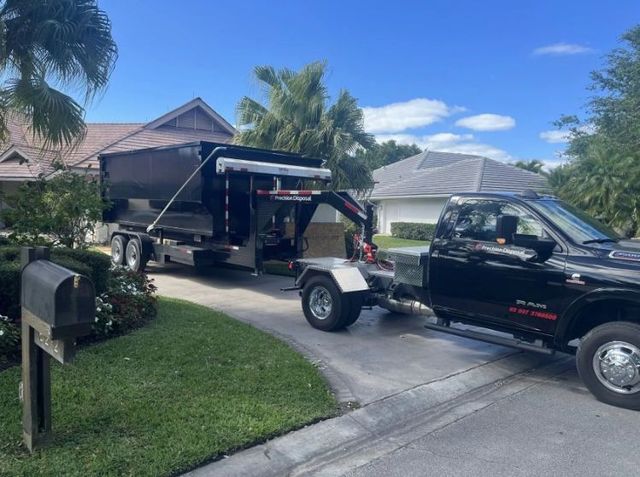 I’ve earned my stripes through cluttered driveways, overfilled bins, delayed pickups, and a few tense conversations with homeowners who didn’t realize how much debris a simple demo produces. Those experiences shifted the way I evaluate dumpster rentals and the advice I give clients.
The Day I Realized the Wrong Dumpster Size Can Stall an Entire Crew
One of the first kitchen tear-outs I ever led turned into a comedy of errors because I underestimated debris volume. The homeowner was trying to save money and asked for the smallest dumpster the company offered. I didn’t push back hard enough.
By mid-morning on demo day, my crew had filled the bin with tile, cabinets, and plaster chunks. They stood around waiting while I tried to get the rental company to rush a swap-out. The driver couldn’t make it until late afternoon. The crew didn’t have enough room to keep working, and we lost nearly a full day.
Since then, whenever a client debates between two sizes, I recommend the larger option. Not one person has regretted extra space, but plenty have regretted running out.
Why Local Dumpster Companies Have Saved Me More Times Than I Can Count
Early in my contracting years, I tended to hire national providers because their booking systems felt convenient. But I started shifting to local operators after a property cleanout that could have gone sideways.
The house sat on a narrow, sloped driveway. A regional company’s dispatcher assured me they could place the dumpster without issues. The driver who showed up disagreed. He was worried about the angle and the potential for the roll-off to slide.
A few weeks later, I booked a small local company for a similar job. Before confirming my order, the owner asked a dozen questions about slope, clearance, weather, and driveway material. When his driver arrived, he walked the site, suggested a slightly different placement, and explained how the truck would angle the bin to avoid shifting.
That level of awareness—born from working the same neighborhoods year after year—has made me loyal to local providers ever since.
Timing Is the Most Underrated Part of Renting a Dumpster
People think size is the biggest decision. In my experience, timing causes more headaches than anything else.
During a whole-home flooring replacement last spring, I scheduled a pickup for the morning after demo. Flooring scraps are deceptively heavy, and I didn’t want the bin sitting too long. The company I used at the time was known for “flexible scheduling,” which sounded good until I realized it meant they handled pickups whenever their route allowed.
The dumpster didn’t get pulled until late evening. Meanwhile, the crew couldn’t start the next phase because their staging area was blocked. I spent the day juggling timelines that didn’t need to be complicated.
Now I ask companies the questions I used to assume had obvious answers:
Do you guarantee a window? How early do your drivers start? What’s your protocol if a bin needs to be pulled quickly?The difference between a one-hour window and “sometime tomorrow” determines whether a project flows or stalls.
The Common Mistakes Homeowners Make—And How They Affect the Job Site
I’ve watched dozens of homeowners rent dumpsters for the first time, and a few patterns always repeat themselves.
Many don’t realize how heavy debris can get. Bathroom remodels are notorious for this. A homeowner once asked if a mid-size dumpster would be fine for tile and plaster. I said yes, but warned them to keep an eye on weight. Two days later, the driver called me because the bin hit the weight limit long before it was full. Extra fees showed up on the invoice, and the surprise soured an otherwise smooth project.
Placement is another underestimated decision. Decorative pavers, soft asphalt, or tight driveways create complications that aren’t obvious until a 10-ton truck is backing in. I’ve had a driveway crack under a bin’s weight, and that repair cost far more than upgrading to driveway protection boards would have.
And then there are street permits. Municipal rules vary wildly. Some towns don’t care; others require cones, permits, reflective barriers, and limited hours. I’ve had neighbors call code enforcement on a client’s project because a bin sat over the weekend without the right signage.
None of these issues are dramatic in isolation, but together they can derail a project.
The Dumpster Companies That Make My Job Easier Are the Ones Who Ask Questions
I’ve learned to appreciate the rental companies that treat the job like a collaboration rather than a transaction. When they ask about driveway conditions, project type, debris weight, expected timeline, or whether heavy materials will be mixed with lighter items, I know they’re trying to prevent future problems—not avoid responsibility.
The best experiences I’ve had were with haulers who weren’t shy about offering opinions. One dispatcher once told me to avoid a 30-yard dumpster for a basement overhaul because I’d be tossing dense masonry. She suggested two staggered 15-yard bins instead, and she was absolutely right. A single big bin would have blown past weight limits and cost the homeowner several thousand dollars in fees.
Their insight saved money and kept the workflow steady.
Why a Good Dumpster Rental Shapes the Entire Project
I’ve worked jobs where nearly everything else had challenges—materials delayed, weather uncooperative, subcontractors juggling schedules—but the waste removal ran like clockwork. Those jobs stayed orderly. A predictable dumpster setup keeps paths clear, reduces tripping hazards, and gives crews a natural rhythm: work, toss, reset, continue.
And I’ve worked projects where the dumpster situation spiraled—late deliveries, blocked driveways, missed pickups—and it created an atmosphere of stress that spread into the rest of the work.
A good dumpster rental doesn’t feel like a luxury. It feels like infrastructure. It makes the messy parts manageable and gives every person on-site one less thing to worry about.
My perspective has shifted from “Just find a dumpster” to “Find the right partner who manages the waste so the rest of the job can move forward.”
- Expert dumpster removal by bedford bros reviews
- Construction Dumpster Rentals in Rockland and Bergen County