
After fifteen years working as a residential renovation contractor, I’ve become oddly opinionated about dumpsters. I didn’t plan on that. Early in my career, I treated “dumpster rental near me” like a quick search term—call the first company with a decent price, schedule the drop-off, move on.But job after job, I discovered that waste management affects everything: workflow, crew morale, safety, even how neighbors feel about the project.
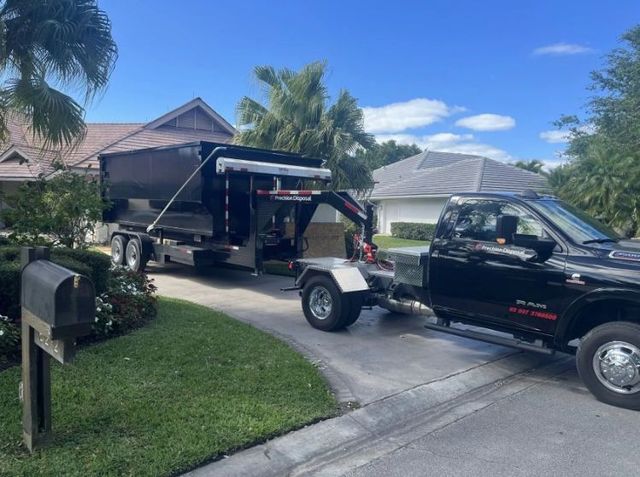 I’ve earned my stripes through cluttered driveways, overfilled bins, delayed pickups, and a few tense conversations with homeowners who didn’t realize how much debris a simple demo produces. Those experiences shifted the way I evaluate dumpster rentals and the advice I give clients.
The Day I Realized the Wrong Dumpster Size Can Stall an Entire Crew
One of the first kitchen tear-outs I ever led turned into a comedy of errors because I underestimated debris volume. The homeowner was trying to save money and asked for the smallest dumpster the company offered. I didn’t push back hard enough.
By mid-morning on demo day, my crew had filled the bin with tile, cabinets, and plaster chunks. They stood around waiting while I tried to get the rental company to rush a swap-out. The driver couldn’t make it until late afternoon. The crew didn’t have enough room to keep working, and we lost nearly a full day.
Since then, whenever a client debates between two sizes, I recommend the larger option. Not one person has regretted extra space, but plenty have regretted running out.
Why Local Dumpster Companies Have Saved Me More Times Than I Can Count
Early in my contracting years, I tended to hire national providers because their booking systems felt convenient. But I started shifting to local operators after a property cleanout that could have gone sideways.
The house sat on a narrow, sloped driveway. A regional company’s dispatcher assured me they could place the dumpster without issues. The driver who showed up disagreed. He was worried about the angle and the potential for the roll-off to slide.
A few weeks later, I booked a small local company for a similar job. Before confirming my order, the owner asked a dozen questions about slope, clearance, weather, and driveway material. When his driver arrived, he walked the site, suggested a slightly different placement, and explained how the truck would angle the bin to avoid shifting.
That level of awareness—born from working the same neighborhoods year after year—has made me loyal to local providers ever since.
Timing Is the Most Underrated Part of Renting a Dumpster
People think size is the biggest decision. In my experience, timing causes more headaches than anything else.
During a whole-home flooring replacement last spring, I scheduled a pickup for the morning after demo. Flooring scraps are deceptively heavy, and I didn’t want the bin sitting too long. The company I used at the time was known for “flexible scheduling,” which sounded good until I realized it meant they handled pickups whenever their route allowed.
The dumpster didn’t get pulled until late evening. Meanwhile, the crew couldn’t start the next phase because their staging area was blocked. I spent the day juggling timelines that didn’t need to be complicated.
Now I ask companies the questions I used to assume had obvious answers:
Do you guarantee a window? How early do your drivers start? What’s your protocol if a bin needs to be pulled quickly?
The difference between a one-hour window and “sometime tomorrow” determines whether a project flows or stalls.
The Common Mistakes Homeowners Make—And How They Affect the Job Site
I’ve watched dozens of homeowners rent dumpsters for the first time, and a few patterns always repeat themselves.
Many don’t realize how heavy debris can get. Bathroom remodels are notorious for this. A homeowner once asked if a mid-size dumpster would be fine for tile and plaster. I said yes, but warned them to keep an eye on weight. Two days later, the driver called me because the bin hit the weight limit long before it was full. Extra fees showed up on the invoice, and the surprise soured an otherwise smooth project.
Placement is another underestimated decision. Decorative pavers, soft asphalt, or tight driveways create complications that aren’t obvious until a 10-ton truck is backing in. I’ve had a driveway crack under a bin’s weight, and that repair cost far more than upgrading to driveway protection boards would have.
And then there are street permits. Municipal rules vary wildly. Some towns don’t care; others require cones, permits, reflective barriers, and limited hours. I’ve had neighbors call code enforcement on a client’s project because a bin sat over the weekend without the right signage.
None of these issues are dramatic in isolation, but together they can derail a project.
The Dumpster Companies That Make My Job Easier Are the Ones Who Ask Questions
I’ve learned to appreciate the rental companies that treat the job like a collaboration rather than a transaction. When they ask about driveway conditions, project type, debris weight, expected timeline, or whether heavy materials will be mixed with lighter items, I know they’re trying to prevent future problems—not avoid responsibility.
The best experiences I’ve had were with haulers who weren’t shy about offering opinions. One dispatcher once told me to avoid a 30-yard dumpster for a basement overhaul because I’d be tossing dense masonry. She suggested two staggered 15-yard bins instead, and she was absolutely right. A single big bin would have blown past weight limits and cost the homeowner several thousand dollars in fees.
Their insight saved money and kept the workflow steady.
Why a Good Dumpster Rental Shapes the Entire Project
I’ve worked jobs where nearly everything else had challenges—materials delayed, weather uncooperative, subcontractors juggling schedules—but the waste removal ran like clockwork. Those jobs stayed orderly. A predictable dumpster setup keeps paths clear, reduces tripping hazards, and gives crews a natural rhythm: work, toss, reset, continue.
And I’ve worked projects where the dumpster situation spiraled—late deliveries, blocked driveways, missed pickups—and it created an atmosphere of stress that spread into the rest of the work.
A good dumpster rental doesn’t feel like a luxury. It feels like infrastructure. It makes the messy parts manageable and gives every person on-site one less thing to worry about.
My perspective has shifted from “Just find a dumpster” to “Find the right partner who manages the waste so the rest of the job can move forward.”